The Podcast Trap: Why Busy Guesting and Hosting Isn't Converting, and What Actually Works in 2026
In short: Listenership is at all-time highs but the flashy B2B conversion 'benchmarks' owners chase are unverified vendor claims citing each other. The real problem is structural: wrong-fit shows and no capture system. Fix targeting, add a trackable next step and a follow-up sequence before booking anything else.
· Strategy · 12 min read
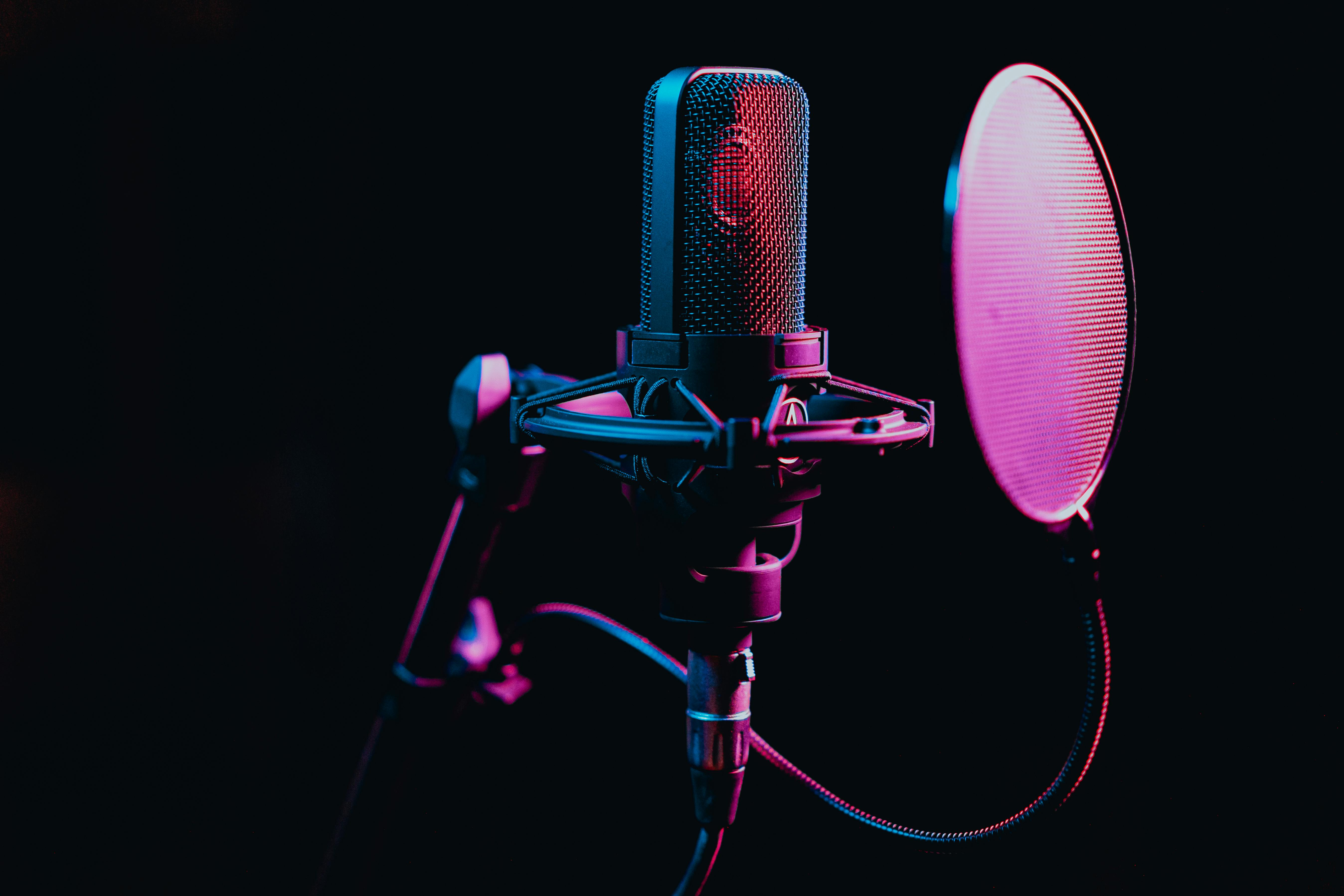
Podcasting has never been bigger. For most business owners, it has also never been more likely to waste their time. Those two facts sit right next to each other, and the gap between them is where clients are being lost.
This is the full research behind this week's edition of Off the Record. It is written for the owner who is already guesting or hosting, putting in the hours, and quietly wondering why the pipeline hasn't moved.
The short version
The medium is at record highs, but the "results" most owners chase are a mirage. Monthly podcast consumption in the US hit an all-time high of 58 percent, 167 million people. Yet the gap between activity (appearances, episodes published) and outcomes (booked calls, clients, pipeline) is wider than ever. The flashy business-to-business conversion "benchmarks" that get quoted (10 percent guest-to-client, a $2.3 million pipeline, 2.7 times higher close rates) are almost entirely unverified marketing claims that trace back to each other rather than to any real study.
Relevance beats reach, and a capture system beats charisma. The single biggest reason established owners get nothing from podcasting is structural, not performance-based. They appear on shows their actual buyers don't listen to, and they have no trackable next step, so hard-won awareness evaporates within 48 hours of an episode ending.
Video and YouTube are now genuinely structural, not a fad. AI "podslop", mass clipping, and spray-and-pray guest pitching are the fads to avoid. Nearly half of new podcast feeds are AI-generated, generic AI pitches are being filtered out by hosts, and audio still carries roughly twice the reach of video. The durable play is a narrow niche, a human voice, and a conversion system. Not chasing whatever tool launched this quarter.
The audience is there. Your strategy probably isn't.
Listenership is at record highs, and this part is real, recent and well-sourced. Edison Research's Podcast Consumer 2026, released in June, reports that 58 percent of Americans aged 12 and over consume a podcast monthly (167 million people), 45 percent weekly (130 million, up from 115 million a year earlier), and 80 percent have ever listened (230 million). Every frequency measure hit an all-time high.
The detail that matters most for you: the fastest-growing and now largest cohort is the 35 to 54 age group, at 68 percent monthly consumption. That group has overtaken the 12 to 34 group at 64 percent. These are the buyers most established owners actually want.
So the tailwind is as strong as it has ever been. That is exactly why the conversion gap is so expensive. The audience is not the problem. The strategy is.
Discovery has moved off the podcast apps
YouTube has overtaken Spotify and Apple as the number one podcast platform, and the way people find shows has shifted underneath most owners' feet. Edison found 37 percent of weekly consumers now name YouTube their most-used podcast service, up from 31 percent two years earlier.
A July 2026 discovery study went further. 40 percent of listeners discovered their favourite podcast on YouTube, more than double any other single source. YouTube plus social platforms now account for 61 percent of all podcast discovery. Organic content shared by people you follow (60 percent) beats sponsored content (33 percent).
The implication is blunt. If you are audio-only, with no video and no clips, a majority of the paths a new listener could take to find you are simply closed.
Video is structural now, but audio still owns reach and trust
"Video is mandatory" is only half true. For the first time, roughly as many weekly consumers watch as listen. Only 21 percent are now audio-only, and just 2 percent watch exclusively.
But audio still reaches nearly twice the weekly audience of video (149.7 million audio listeners versus 79.5 million video viewers) and it leads every format on trust. 58 percent of people rate audio content factually accurate, and only 31 percent question its ad claims, the lowest scepticism of any format.
Video converts a single action better. 15 percent report an immediate purchase after a video ad, versus 10 percent for audio. But audio travels into the screen-free moments (commuting, exercise, chores, cooking, the four most common listening contexts) where video cannot follow.
The durable answer is not to pick a side. Record video, publish both audio and video, and clip for discovery.
The "benchmarks" everyone quotes are largely fiction
This is the most important finding for anyone who feels behind. The business-to-business conversion figures that circulate across the internet (10 percent guest-to-client conversion, a $2.3 million cybersecurity pipeline in nine months, 47 percent of enterprise deals from podcast listeners, 48 percent guest conversion, 2.7 times higher close rates) do not trace back to research. They trace back to each other.
The "10 percent" links to an unattributed assertion on a single consultant's blog. There is no standalone report behind the widely-quoted "statistics roundup", only a search-optimised listicle that aggregates other blogs. The dollar-figure case studies all originate from one podcast production agency's anonymous, internally inconsistent posts. The same "cybersecurity firm" is described as inviting 24 guests in one passage and 60 in another, and appears elsewhere as "$680,000 in four months". None disclose method or sample size. Every firm publishing them sells podcast services.
You are being sold this channel on numbers that do not survive a second read.
There is one credible executive-listening figure, and it is worth citing correctly. The widely-repeated "83 percent of senior executives listened to a podcast in the past week" comes from a genuine primary source, a survey of 24,505 people. But it was published in 2024, not 2026, and it describes 83 percent of executives who are already monthly podcast listeners, not 83 percent of all executives. Cite it with that caveat.
What looks like it's working but is quietly failing owners
The activity-outcome gap. The clearest picture of the core problem comes from operators, not researchers. Picture a business owner with a spreadsheet of twelve podcast appearances who cannot trace a single client. Not because the appearances failed, but because nothing was set up to catch the listener on the way through. The awareness was genuinely earned, then flushed within two days, because there was no trackable call to action, no owned destination, and no follow-up for the long gap between someone hearing you and being ready to buy.
When owners say podcasting "isn't working", they usually have no way to even know whether that is true. The speaking invitation that came from an episode, the follower who found you through a show, the person who heard you in March and books in September, all real results, all uncounted.
Reach versus relevance. This is the defining distinction. Audience fit beats audience size for client acquisition, every time. Consider a consultant who wants to be on a show with 40,000 listeners to reach corporate decision-makers, when that show's audience is solopreneurs and side-hustlers. It is fishing in the wrong pond. A specialist show with 500 listeners who match your ideal client will out-convert a general show with 50,000 who don't. Being unforgettable to the right 500 beats being vaguely known by 50,000.
The quantity trap. A recurring account from booking operators: eight-figure owners spending 10 hours a week on appearances and seeing nothing, because the model was volume. 30, 40, 50 bookings on mediocre shows to make up for an inability to land targeted, high-fit placements. If your time is worth $1,000 an hour and you record 50 interviews, that is $50,000 of your time. On the wrong shows, with no conversion system, it is expensive entertainment.
The hosting vanity trap. For owners who host their own show, the failure mode is different. Too many take advice from creators whose podcast is the business model. Those creators monetise through sponsorship, so they only need ears and downloads. Apply that logic to a show whose job is to generate clients, and downloads become irrelevant if nobody books a call. The symptoms of a vanity show: it is mostly guest interviews, which position the guest as the expert rather than the host; it educates listeners into competence instead of toward a decision; and it carries several scattered calls to action per episode instead of one. The fix operators converge on: a roughly two-thirds solo-expert to one-third strategic-interview ratio, and one single call to action per episode.
Guesting: what's saturated, what converts
Losing effectiveness: generic template pitches, self-focused pitches that list the guest's achievements, appearing on any show regardless of fit, and increasingly, AI-drafted pitches that hosts have learned to spot. 36 percent of declined pitches are rejected purely for wrong fit, and over 60 percent of guest pitches get no reply at all.
What converts: a specific episode concept rather than a general introduction (63 percent of hosts prefer a concrete idea), a topic that sits at the intersection of the host's audience and your paid offer, a single clear call to action to a destination you own, and disciplined follow-up. The through-line is better, not more. Have you done a dozen interviews, or one interview on a dozen podcasts?
The "trusted voice" effect: does the evidence hold?
Partially, and it is the most defensible pillar in the whole channel. 76 percent of weekly consumers took action after hearing a podcast ad, and trust between host and listener is podcasting's core asset. A separate April 2026 consumer survey found 42 percent made a purchase based on a host's recommendation, but 61 percent would trust that host less after one off-brand or inauthentic promotion. The relationship is the asset, and it is remarkably easy to damage.
The caveat for a guest: that trust belongs to the host. As a guest you are briefly borrowing it. That is precisely why fit and a graceful handoff (not a hard pitch) matter, and why one appearance rarely converts. The effect compounds over consistent, relevant exposure. Most operators cite three to six months as the minimum before it shows up in the pipeline.
Fads versus durable strategy
AI "podslop" is noise, not a tool. Over one recent 24-hour window, only around 44.6 percent of new podcast feeds were likely legitimate, with around 45.7 percent flagged as possibly AI-generated. One AI network released 325 shows in a single day. This is a discovery-pollution problem, not a client-acquisition method. For a real expert, it raises the value of a verifiable human voice.
There is a signal inside the AI noise. Backend uses are fine and audiences accept them. 69 percent of weekly consumers approve of AI for research and brainstorming, 64 percent for social graphics, 63 percent for cover art. But approval collapses for anything listener-facing: 48 percent for AI-generated scripts, 43 percent for AI-assisted audio editing, and just 25 percent for AI-generated hosts using synthetic voices. 62 percent consider AI a threat to podcast credibility. AI booking and matching tools genuinely cut research time, but a weak pitch sent through them still gets ignored. They do not fix targeting or conversion.
Clipping still works, but it is no longer a differentiator. Clips remain the primary discovery mechanism. 84 percent of clip consumers say clips lead them to become regular listeners at least sometimes, and 81 percent say clips lead them to full episodes. But everyone now does it with the same tools, so volume clipping without a niche and a destination is activity, not results. The durable version is a small number of clips engineered to pull the right viewer back to an owned next step.
The durable fundamentals, trend-proof: a narrow niche and audience fit over vanity reach; one clear call to action to an asset you own, with tracking; a follow-up system for the long buying cycle; consistency measured in months and years, not episodes; recording video, audio and clips from one session; and measuring business outcomes (booked calls, pipeline, "how did you hear about us"), not downloads.
The capture gap: why the lead vanishes
This is the mechanical heart of the problem. The minimum system to have in place before your next appearance: one genuinely useful offer (a checklist, template or short audit), a trackable link or landing page so attribution exists at all, and a way to stay in the listener's world (email capture and follow-up) during the months between hearing you and buying. Without it, the speaking gigs and new followers you point to as proof are real but unearned as revenue, and the client who heard you in March but books in September stays invisible. And what stays invisible gets assumed not to exist.
A note on hosting, if you're weighing it up
Roughly 90 percent of podcasts stop after episode three. This is an industry rule of thumb, not a peer-reviewed figure, but the pattern of steep early attrition is well supported. On the active base, one data set counts 391,394 active podcasts this year, up from 314,452, about 11 percent of all podcasts ever launched. Podfade is driven by treating a show as a motivation-dependent side project rather than a systematised asset. For client acquisition specifically, guesting is often the higher-leverage entry point. You borrow existing audiences with no production burden. Hosting is best reserved for owners who can commit to a multi-year, systematised show.
What I'd actually do, in order
Stage 1, before your next appearance: build the capture system. If you cannot currently trace one client to one appearance, stop booking and fix this first. Stand up one entry-level offer or lead magnet, one trackable link, one follow-up sequence, and a "how did you hear about us?" field on your intake and discovery calls. If after this you still cannot attribute any inbound to podcasting within 90 days of consistent appearances, the problem is show fit, not the channel.
Stage 2, fix targeting: relevance over reach. Audit your last or next ten target shows against one question. Do my actual buyers listen to this show, specifically? Prioritise niche subcategory shows where your ideal client concentrates over broad business shows. Replace "get me on 30 shows" with "get me on five shows my buyers actually listen to".
Stage 3, fix the content and the handoff. For guesting: pitch a specific episode concept at the intersection of the host's audience and your offer, deliver one clear call to action, and follow up over four to six weeks as relationship-building, not a pitch. For hosting: shift toward two-thirds solo-expert content, one call to action per episode, and treat every recording as a repurposing session for video, audio and clips.
Stage 4, adopt the durable format stack and ignore the fads. Record video by default. A single camera and decent lighting is enough. Publish audio everywhere, and clip for YouTube and social, because that is where discovery now lives. Use AI for backend and logistics only, never for a listener-facing voice or a generic pitch.
The honest signal that it is time to bring in help: you are doing the activity consistently but cannot name where clients come from, the booking and targeting is eating executive time better spent elsewhere, or the repurposing and follow-up keep slipping. The value is not more bookings. It is the boring plumbing (targeting, capture, attribution) that turns "people heard me" into "I can name where my clients came from".
A note on trust, including mine
I run a podcast strategy business. That means I have a commercial interest in you doing more with podcasts. So here is the honest instruction. Treat every conversion statistic from anyone selling podcast services, including me, as a claim, not evidence. The numbers worth trusting in this report are the independent audience and behaviour studies. The strategy diagnoses (fit, capture, follow-up) are consistent across many operators and match what I see in the room, but the self-reported agency win figures, mine included, are not independently verified. Build your decisions on the research data plus your own tracked results. That is the whole point of the capture system: so you never have to take my word, or anyone's, for whether this works.
Caveats worth keeping
The strongest conversion numbers in this space are not trustworthy. The 10 percent guest-to-client rate, the case-study dollar figures, and the 2.7 times close-rate claim are circular marketing citations with no disclosed method, largely from firms that sell podcast services. Treat them as vendor claims. Rest decisions on the audience and behaviour data, which is methodologically sound, plus your own attribution.
The 83 percent executive figure is from 2024 and describes executive listeners, not all executives. The AI-feed percentages come from a heuristic detection tool flagging potential AI over short windows. They measure new-feed pollution, not listening share. Podfade percentages are industry rules of thumb, not peer-reviewed research. Platform-share figures vary by source, but the direction (YouTube first, discovery off-app) is robust. Some figures are drawn from trade-press write-ups of the primary reports rather than the source PDFs, and were corroborated across multiple independent write-ups.
If you are already guesting or hosting and this hit a nerve, that is the point. The fix is rarely more appearances. It is usually the targeting and the plumbing underneath them.
Sources
- Edison Research, Podcast Consumer 2026, June 2026
- Independent podcast discovery study, July 2026
- Sounds Profitable, Podcast Atlas 2026, fielded by Signal Hill Insights, July 2026
- Market research firm audience estimates, 2026
- Signal Hill Insights with Triton Digital, executive listener survey, 2024
- Independent consumer purchasing survey, fielded April 2026
- Podcast Index feed analysis, April 2026
- Podcast guest-pitch data set, 2026
- Trade-press podfade figures, 2025 to 2026
- Active-podcast count via industry directory data, reported February 2026
- Podcast booking agency commentary, 2026
- Podcast business educators and strategists, 2026
- Podcast pitch analysis, 2026
Keep reading
PWRFULLY, podcast guesting and communication coaching. Auckland, New Zealand.